

Closeup Photography: Mastering the Miniature World
Macro photography is an exciting realm that allows photographers to capture the intricate details of tiny subjects. Whether capturing the delicate petals of a flower or the mesmerizing patterns on an insect’s wings, macro photography opens up a whole new world of creativity.
To help you make the most of your macro photography endeavours, here are five essential rules to keep in mind:
1. Get Up Close and Personal:
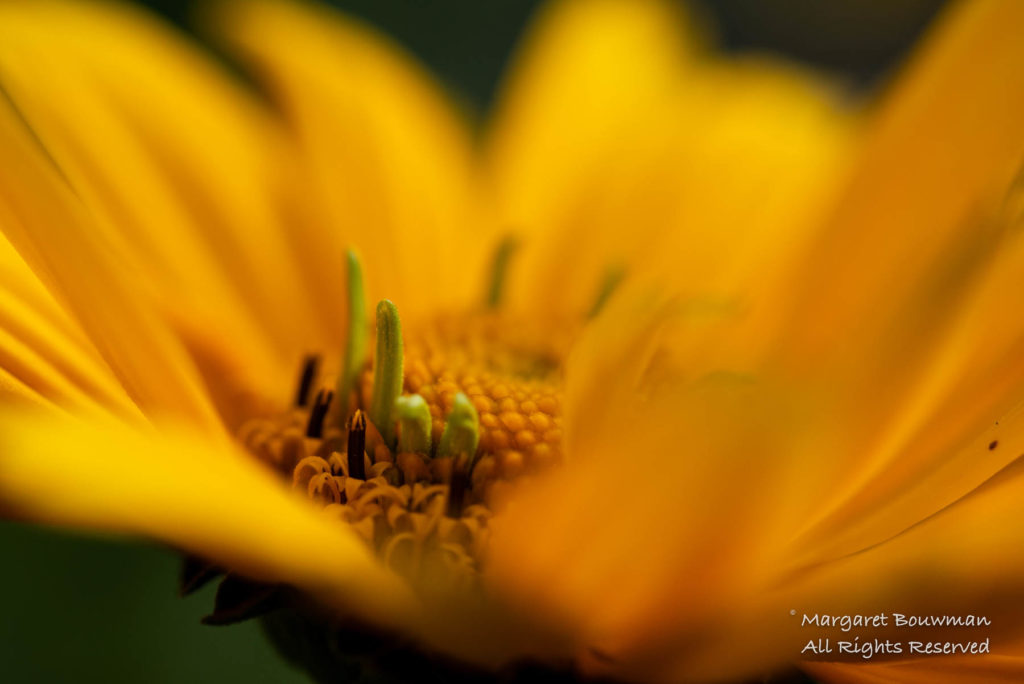
The primary objective of macro photography is to capture small subjects in stunning detail. Get as physically close to your subject as your camera allows, and consider using macro lenses or extension tubes to achieve 1:1 magnification. By filling the frame with your subject, you’ll reveal captivating, often overlooked details.
Closeup Photos
2. Use a Sturdy Tripod:
Shooting at such close distances can make the slightest camera shake evident in your photos. A sturdy tripod is a macro photographer’s best friend. It provides stability and allows you to fine-tune your composition with precision. Additionally, a remote shutter release or the camera’s self-timer can minimize any potential shake.
3. Mind Your Depth of Field (DOF):
Macro photography has a shallow depth of field due to the close focusing distance.
Use a wide aperture (e.g., f/2.8 to f/5.6) to ensure your subject stands out sharply from the background.
However, remember that a narrower aperture (e.g., f/11 to f/16) increases the DOF when shooting flat subjects or wanting to include more details in focus.
Depth Of Field in Macro Photography

4. Pay Attention to Lighting:
Proper lighting is crucial in macro photography. Natural light can work wonders, but it can be unpredictable. Consider using diffusers, reflectors, or artificial lighting like LED panels or ring flashes to control shadows and highlights. Experiment with different angles and intensities to create a pleasing effect.
5. Patience and Practice:
Macro photography requires patience and practice. Slight movements can have significant effects on the composition and focus. Take your time to explore different angles, experiment with settings, and understand your subject.
The more you practice, the more you master the art of capturing extraordinary details.
Want More Free Photography Tips?
Follow us on Instagram and Facebook for daily photography tips and tutorials
If you’re eager to take your macro photography skills to the next level, consider enrolling in Omnilargess Photography Classes. With our comprehensive and hands-on workshops, you’ll learn from experienced instructors who are passionate about sharing their knowledge.
These classes enhance your photography skills, from mastering macro techniques to understanding lighting and composition.
Take advantage of this opportunity to unleash your creativity and dive into the miniature world of macro photography with Omnilargess Photography Classes.
That is all for now. Stay tuned for my following photography Tips. We love to hear from you. Let us know if you have any questions; feel free to send us your questions, and we will gladly answer them. Follow us on Facebook, Instagram and Twitter for more Free Tutorials and Tips.
Ted and the Omnilargess Team